
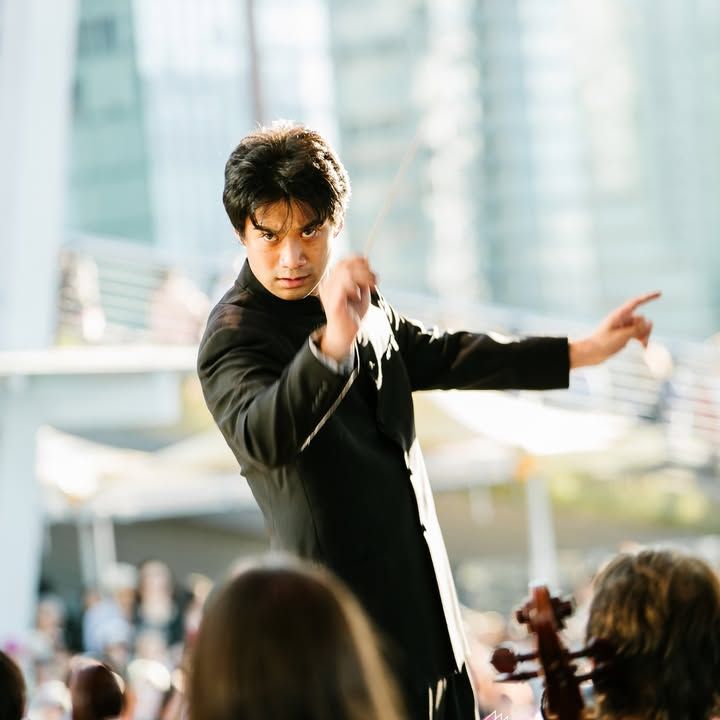
As audience, have you ever wondered how crucial a conductor's role is to an orchestra? Well, frankly speaking, without a conductor, it's like a ship without a captain!
First and foremost, the conductor sets the tempo and rhythm of the piece being performed. They establish the pace at which the music will unfold, ensuring that all musicians play in synchrony and maintain a cohesive sense of timing throughout the piece.
Additionally, the conductor shapes the dynamics and expression of the music. Through gestures, facial expressions, and body language, they convey their interpretation of the piece to the musicians, guiding them in producing the desired volume, tone, and emotion.
Furthermore, the conductor serves as a unifying force within the orchestra, fostering communication and collaboration among the musicians. They act as a bridge between different sections of the ensemble, facilitating coordination and cohesion among players with diverse roles and instruments. This leadership...
20
1
20
1